
How Rebuilding Your Transmission Helps Your Car Last Longer
A transmission rebuild can play a big role in how long your vehicle lasts. When the transmission works the right way, your engine runs smoother, fuel use stays steady, and wear on other parts stays low. A failing transmission puts stress on the whole vehicle. Fixing it the right way helps protect your car for many more miles.
Why Prevention Matters
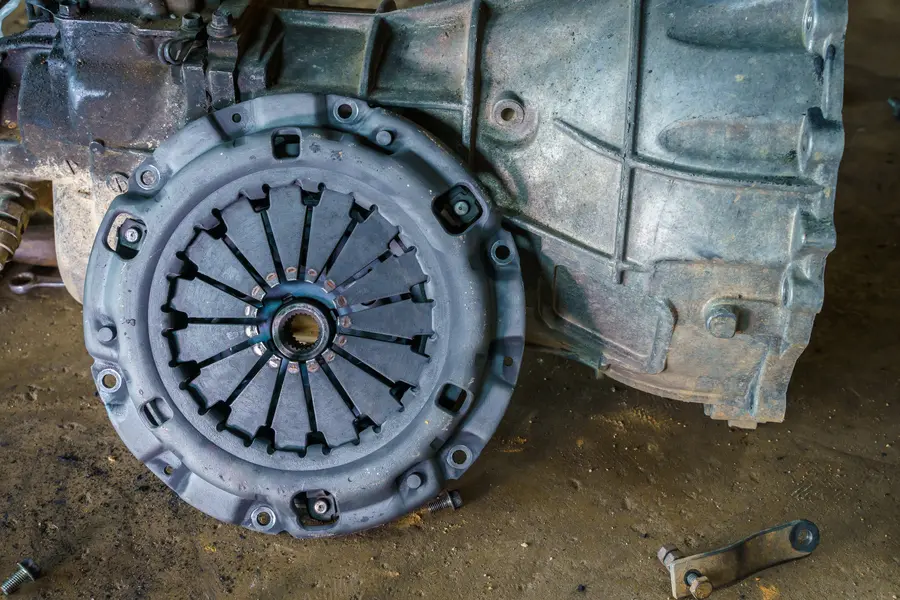
Your transmission controls how power moves from the engine to the wheels. If it slips, jerks, or shifts hard, that power flow is not smooth. Over time, this can damage internal parts like clutches, seals, and gears. Small issues can grow into major breakdowns.
A transmission rebuild replaces worn parts and restores proper function. That means smoother shifting, better control, and less strain on the engine. When done at the right time, it can extend the life of your vehicle and prevent early replacement.
Early Warning Signs
Spotting problems early makes a big difference. Many drivers ignore signs until the vehicle will not move. That often leads to higher repair costs.
- Delayed shifting when you press the gas
- Slipping between gears
- Burning smell from under the hood
- Transmission fluid that looks dark or smells burnt
- Grinding or shaking when driving
If you notice one or more of these signs, your vehicle may need service. Acting early may mean a minor repair. Waiting too long can turn it into a full transmission rebuild.
Seasonal or Routine Checklist
Routine care helps prevent major damage. Transmissions work hard year-round. Heat in summer and cold in winter both affect performance.
- Check transmission fluid every few months.
- Follow the factory service schedule.
- Repair leaks right away.
- Avoid towing loads heavier than your vehicle allows.
- Let your car warm up briefly in very cold weather.
Fresh fluid keeps internal parts cool and lubricated. Dirty or low fluid causes heat and friction. Heat is one of the main reasons transmissions fail.
Best Practices for Long-Term Results
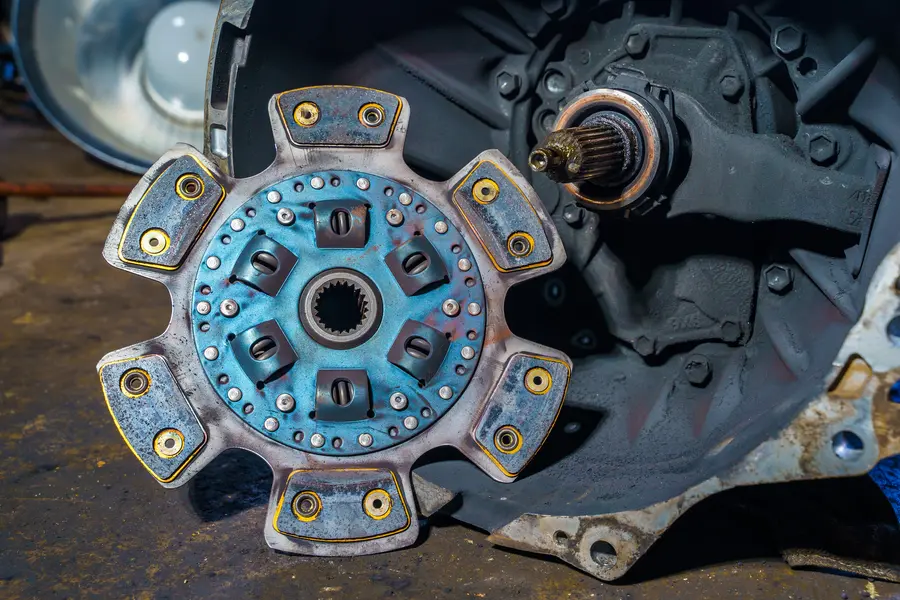
If your vehicle already has high mileage, a transmission rebuild can reset the clock in many ways. During a rebuild, worn clutches, seals, bands, and other parts are replaced. Damaged components are repaired or upgraded.
For long-term vehicle performance:
- Drive smoothly and avoid sudden acceleration
- Do not shift from drive to reverse while moving
- Keep up with fluid changes
- Address check engine lights quickly
These habits reduce stress on internal components. A well-maintained transmission can last many years after a rebuild.
What Not to Do
Many drivers make simple mistakes that lead to early failure. One mistake is ignoring small leaks. Even a slow drip can lower fluid levels enough to cause damage. Another mistake is using the wrong type of transmission fluid. Each vehicle requires a specific kind.
Some people try quick-fix additives. These may mask symptoms for a short time but do not repair worn parts. If your vehicle already shows strong signs of failure, delaying a transmission rebuild can damage the torque converter or even the engine.
When to Schedule Professional Help
If your vehicle struggles to shift, makes loud noises, or will not move properly, it is time for a full inspection. A trained technician can test drive the vehicle, scan for trouble codes, and inspect internal components.
Sometimes a simple repair will fix the issue. Other times, a transmission rebuild is the most cost-effective way to protect long-term vehicle performance. Replacing small worn parts before total failure often saves money over time.
If you plan to keep your vehicle for several more years, rebuilding the transmission can be a smart investment. It keeps the drivetrain strong and supports steady engine performance.
Protect Your Vehicle’s Future Performance
Drivers in Las Vegas, NV rely on safe and dependable vehicles every day. At Santa Ana Auto Service, we focus on honest inspections and quality repairs that support long-term vehicle performance. If your car is showing signs of transmission trouble or you want it checked before problems grow, call us at (702) 560-7569 to schedule a proper inspection and talk about the best next steps for your vehicle.