
How Your Engine and Transmission Work Together for Smooth Driving
Your engine and transmission must work as a team for your car to run well. The engine makes power. The transmission sends that power to the wheels at the right speed. When one has a problem, the other can suffer. Engine repair often improves transmission system performance, especially if rough shifting, slipping, or power loss is tied to engine trouble.
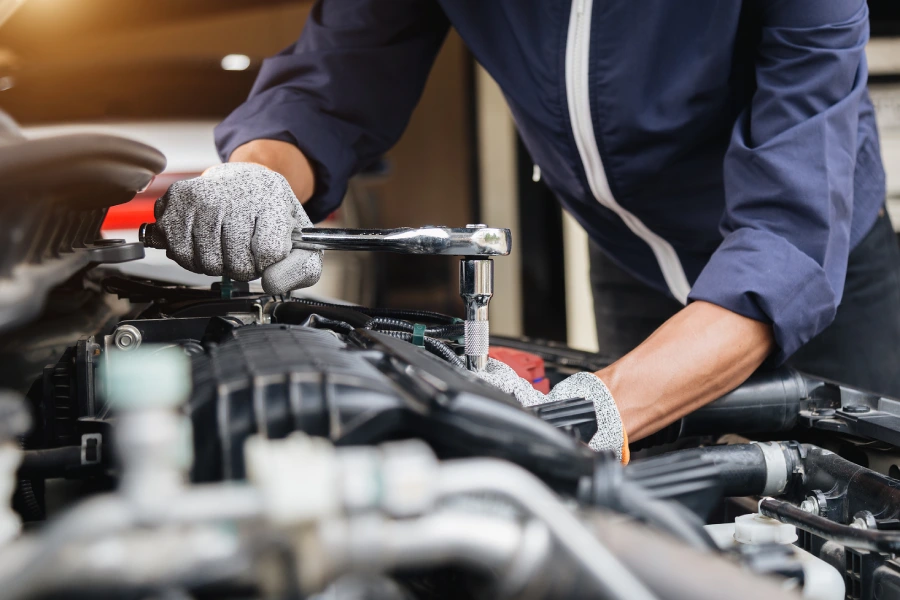
Why Prevention Matters for Both Systems
The engine and transmission are two of the most expensive parts of your vehicle. When one struggles, the other must work harder. That extra strain can cause heat, wear, and breakdowns. Small issues like low fluid, dirty oil, or misfires can turn into major repairs if ignored. Regular care reduces stress on both systems and keeps your drive smooth.
A vehicle that gets routine engine repair and service is less likely to suffer early transmission failure. Clean oil helps internal parts move freely. A well-tuned engine delivers steady power instead of jerking or surging. That steady power protects transmission gears and clutches.
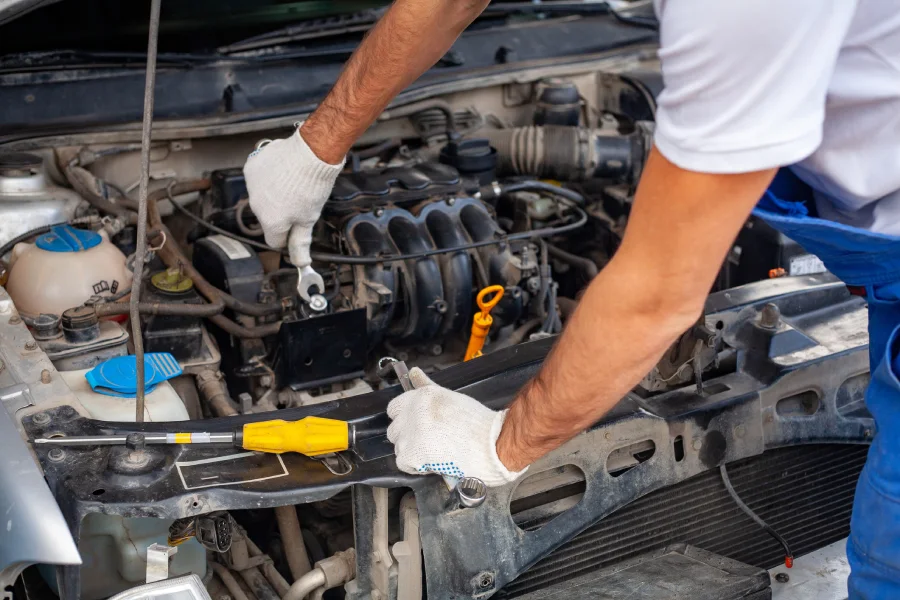
Early Warning Signs of Performance Trouble
Catching problems early can save you money and stress. Watch for these warning signs:
- Delayed or hard shifting between gears
- Engine revving high before the car moves
- Shaking or jerking while driving
- Burning smell from under the hood
- Check engine light turning on
- Poor fuel mileage
For example, if your engine is misfiring, the transmission may struggle to find the right gear. If the transmission is slipping, the engine may rev loudly without moving the car forward. These issues often connect more than drivers think.
Routine Checklist for Better Performance
Simple maintenance steps help protect both systems. Follow a basic schedule and stay consistent.
- Check engine oil monthly and change it on time.
- Inspect transmission fluid for level and color.
- Replace spark plugs as recommended.
- Fix warning lights right away.
- Keep cooling systems working properly to reduce heat.
Clean fluids are vital. Dirty oil thickens and cannot protect moving parts well. Old transmission fluid loses its ability to cool and lubricate. Heat is a major cause of damage in both systems.
Best Practices for Long-Term Results
Drive gently, especially when the engine is cold. Rapid starts and hard stops strain internal parts. Avoid towing loads heavier than your vehicle’s rating. Extra weight increases heat and pressure inside the transmission.
Pay attention to strange noises. Knocking, whining, or clunking sounds should never be ignored. Early engine repair may prevent gear damage later. It is also smart to have software updates done when needed. Modern vehicles rely on computer systems to control shifting and fuel flow.
If you drive in heavy traffic, extreme heat, or hilly areas, your vehicle faces added stress. In those cases, shorter service intervals may help protect performance.
What Not to Do
Many drivers wait too long before seeking help. That can turn a small repair into a full rebuild. Avoid these common mistakes:
- Ignoring the check engine light
- Driving with low fluid levels
- Skipping scheduled maintenance
- Using the wrong type of transmission fluid
- Continuing to drive after major slipping starts
Another mistake is assuming the transmission alone is the issue. Sometimes poor transmission system performance starts with engine trouble. A clogged fuel injector or faulty sensor can affect shifting patterns. A full inspection looks at both systems together.
When to Schedule Professional Help
If you notice repeated shifting problems, loss of power, fluid leaks, or overheating, it is time for service. Some repairs, like replacing spark plugs, may be simple. Others, like internal transmission repairs, require tools and training.
A trained technician can scan for trouble codes, test drive the vehicle, and inspect fluid condition. They can tell if you need minor engine repair, a transmission adjustment, or more advanced service. Quick action often reduces repair costs.
Get Reliable Service for Stronger Performance
If your vehicle is not running like it should in Las Vegas, NV, we are ready to help. At Santa Ana Auto Service, we inspect both systems to find the real cause of the problem. You can call us at (702) 560-7569 to schedule a checkup and keep your engine and transmission working their best.