
How Fresh Fluid Helps You Avoid Major Transmission Trouble
A transmission fluid change helps prevent slipping gears, rough shifting, overheating, and even full transmission failure. Clean fluid keeps parts cool, lubricated, and working the way they should. When fluid gets dirty or low, metal parts grind together and heat builds up fast. Over time, that damage can lead to high repair bills and a car that will not move at all.
Why Prevention Matters
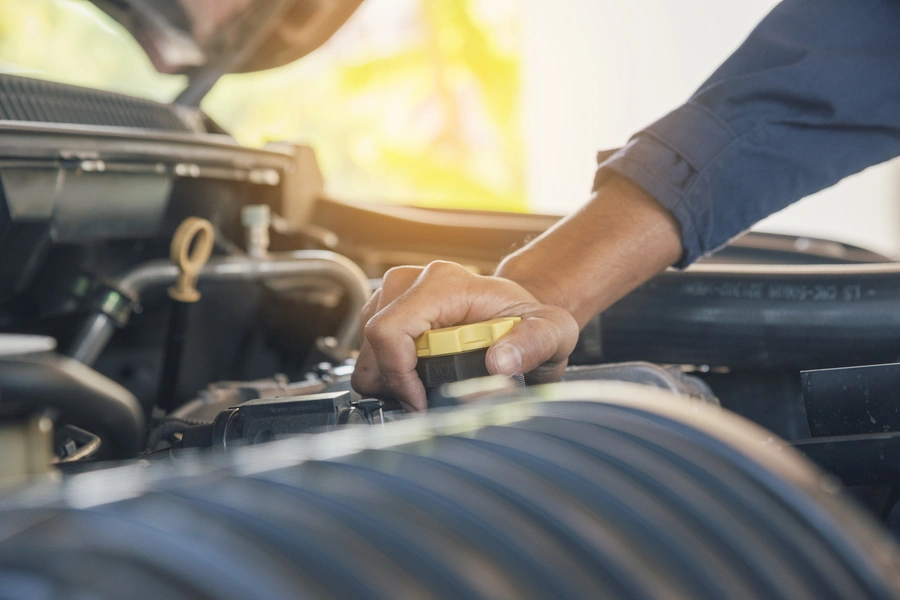
Your transmission is one of the most complex parts of your vehicle. It has many moving pieces that depend on clean fluid to work. The fluid acts like both oil and coolant. It reduces friction and carries heat away from internal parts.
When you skip a transmission fluid change, the fluid breaks down. It loses its ability to protect. Dirt and metal shavings build up inside. This can slowly wear out gears, seals, and clutch packs. Small problems grow into big ones.
Regular maintenance costs much less than replacing a transmission. That is why prevention makes sense for most drivers.
Early Warning Signs of Fluid Trouble
Your vehicle often gives signs before serious damage happens. Paying attention to these early clues can save you money.
- Delayed shifting when you press the gas
- Hard or jerky gear changes
- Grinding or whining noises
- Burning smell from under the hood
- Red or brown fluid leaking under the car
- Transmission overheating warning light
If you notice one or more of these issues, old or low fluid may be the cause. Getting a transmission fluid change at this stage can stop further wear.
Routine Checklist to Prevent Problems
Staying on track with service is simple when you follow a routine plan. Here is a basic checklist you can use:
- Check your owner’s manual for the recommended service interval.
- Inspect the fluid level every few months, if your vehicle allows it.
- Look at the fluid color. It should be bright red or pink.
- Schedule a transmission fluid change based on mileage or time.
- Have a professional inspect for leaks during regular auto maintenance visits.
Some vehicles need fluid service every 30,000 to 60,000 miles. Others may last longer. Driving habits also matter. Towing heavy loads or sitting in stop-and-go traffic can wear fluid out faster.
Best Practices for Long-Term Results
If you want your transmission to last, think long term. Small habits can make a big difference.
Warm up your vehicle before hard driving in cold weather. Avoid sudden shifting from drive to reverse while moving. Do not overload your vehicle past its rating. These steps reduce stress on internal parts.
It also helps to combine your transmission fluid change with other scheduled service. During a broader auto maintenance visit, a technician can spot worn mounts, leaks, or damaged lines that affect your transmission. Fixing these early keeps the system healthy.
Using the right type of fluid is also key. Each transmission is designed for a specific formula. The wrong fluid can lead to poor shift quality and extra wear.
What Not to Do
Many drivers wait until the car drives poorly before taking action. That is risky. By the time gears slip badly, internal damage may already be done.
Do not ignore small leaks. A few drops on your driveway can turn into low fluid levels quickly. Low fluid means more heat and friction.
Avoid mixing different types of transmission fluid unless your manufacturer says it is safe. Guessing can lead to problems.
Finally, do not assume lifetime fluid lasts forever. Even so-called lifetime fluid breaks down over many miles.
When to Schedule Professional Help
If your transmission hesitates, makes noise, or feels different than usual, it is time for a checkup. A professional can inspect fluid condition, check for codes, and look for hidden issues.
A transmission fluid change done at the right time can prevent:
- Burned clutch packs
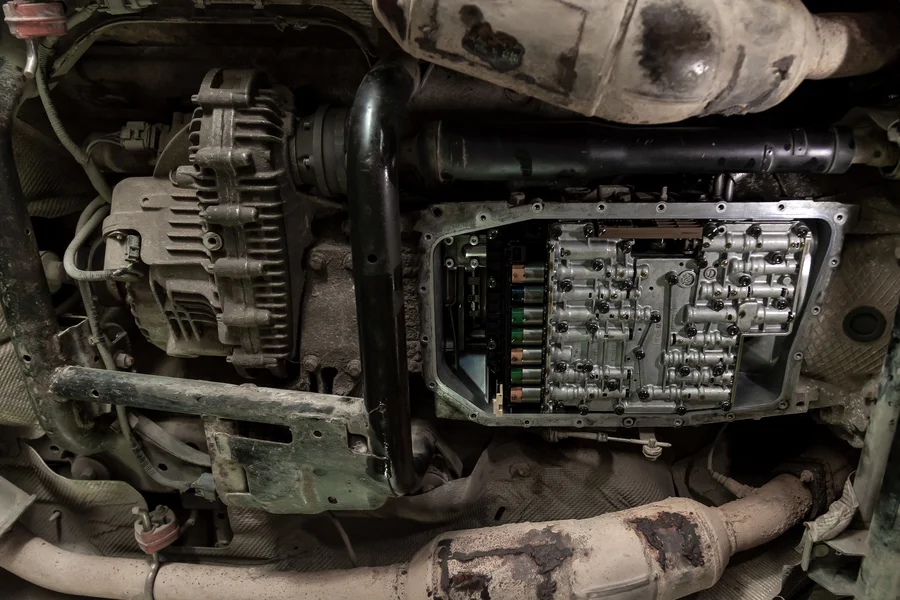
- Valve body damage
- Seal failure and internal leaks
- Full transmission replacement
These repairs can be very expensive. Routine service is a smart way to protect your vehicle and your budget.
Schedule Service With Our Team
Drivers across Las Vegas, NV count on regular maintenance to keep their vehicles running strong. At Santa Ana Auto Service, we handle transmission fluid change services with care and attention to detail. We inspect the system, use the correct fluid, and check for early signs of wear. If your car is due for service or showing warning signs, call us at (702) 560-7569 to set up an appointment. We are here to help you protect your transmission before small issues turn into major repairs.